


I recently presented at the Powered by people: community-led transformation in education event at the University of Lancaster by Jisc. It was an amazing event bringing together people from across HE and FE to share their stories of impactful communities of practice.
During the main keynote Deb Millar OBE mentioned something that I am very passionate about:
Learning has got to be fun. If I can link a skill to their hobby it will automatically help them see how to utilise it in their work
As those who have followed me for a long time will already know, this ethos is something that drives what I do in the education sphere.
Play is fundamental to how we learn. It is disgraceful that we continue to allow Victorian era ideals of what hard work looks like to govern the methods we use in the teaching and learning sphere.
Entertainment vs engagement

There are far too many people who believe that making something fun and playful is just about entertainment. In their eyes you’re only doing something like that to get in the learner’s good books. They won’t be learning anything, just enjoying the show.
This couldnt be further from the truth. Playfulness and fun are tools to get learners to truly engage with what you are trying to teach them. Engagement is fundamentally different from just entertainment as you intend for the audience to be actively interacting with what you are doing, not passively watching.
If your audience is actively engaged, then they are learning. You are far more likely to remember something you enjoyed and had a laugh doing than something you were forced to do.
The Challenge in Play
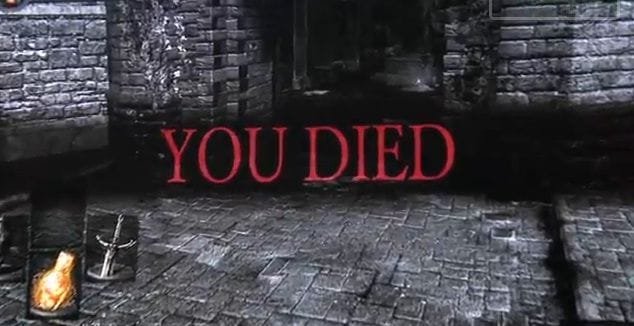
Another argument that I often hear is that play is easy, it doesnt hold any challenge. Go away and play any video game to compeletion and tell me it wasn’t challenging. Heck there are games out there like the Dark Souls series which is renowned for its challenge.
In that game series everything can kill you easily. You have to learn the patterns, know exactly when to dodge, when to parry and when to run away. The sense of fulfillment in that game comes from successfully navigating the complex mechanics and figuring out a way to win. You will see the “You Died” text hundreds, if not thousands of times before you are victorious.
This is something we dont do anywhere near enough in education. Provide areas where it is safe to fail, to learn from that failure and try again.
Unfortunately our education system has become so focused on league tables and the end result of education that the process of learning is lost. We expect rote memorisation, but is that actually learning? I’d argue it isn’t. The most effective mechanism for learning is failure, and instead of embracing that, our education system is set up to shame those who fail the arbitrary tests. Those students feel such a deep sense of shame over it that they actively choose not to participate. They dont answer the exam questions, that way at least they have controlled the outcome and dont need to face further shame from having tried and failed yet again.
Envisioning the challenges
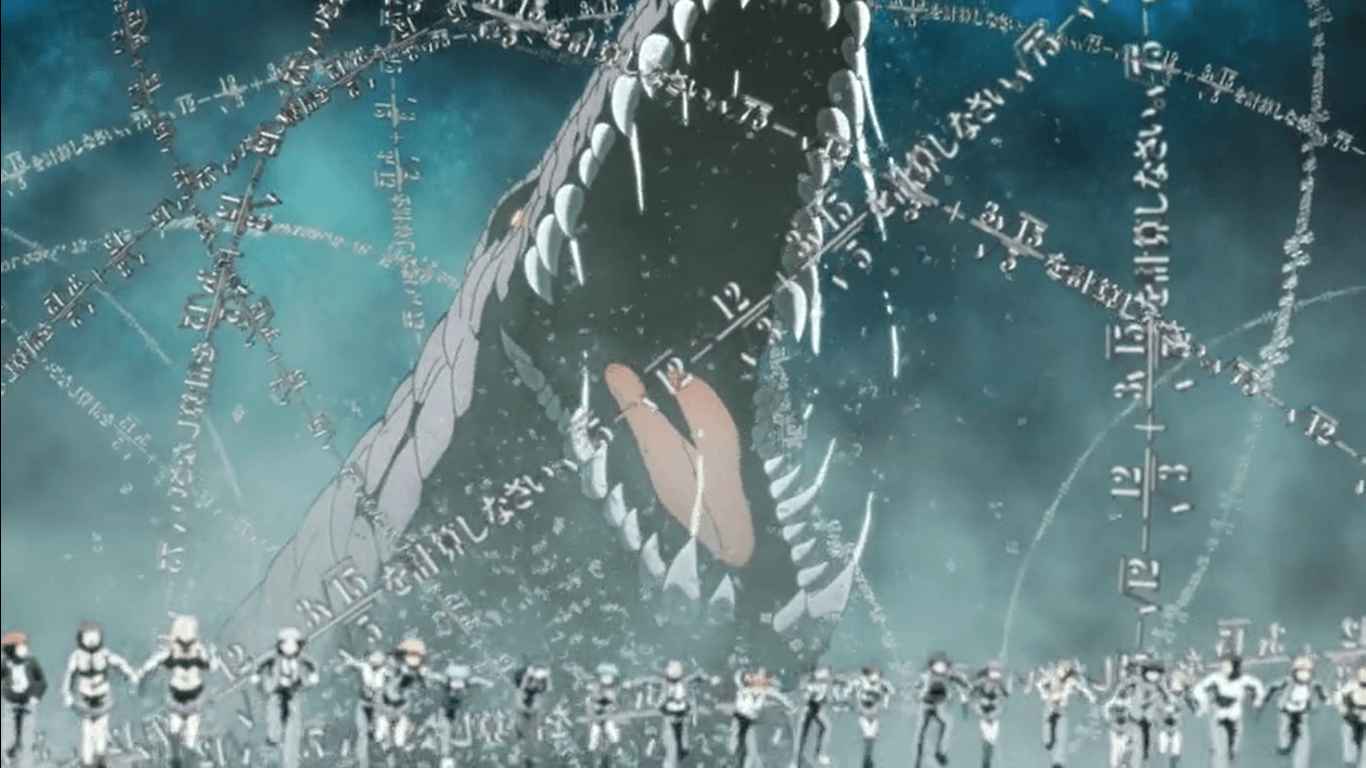
In the anime Assassination Classroom the main character is training a class of students who society has given up on. His methods of teaching are very unorthodox to say the least, a you can probably tell from the title, however, they undoubtedly work. The episodes focus on each of the students and the various things that hold them back, and show them overcoming their fear of failure.
In the exams they envision the complex questions as bosses from video games, bringing forth the skills they have learnt in class as tools to defeat them.
Whilst this series is clearly fictional and would be impossible to replicate in the real world, it does show something that most educators do know, and just don’t have the time nor freedom to explore, when you get to know your students individually and find what motivates each of them, there are no low attainers. Everyone learns differently and will flourish when you find what works for them.
Make a learning a hobby
In order to do this, we need to embrace playfulness. We need to help our learners understand concepts om terms that make sense to them. Games work well for many as they are so ubiquitous amongst younger generations and give you a common language to use. But games aren’t the only option.
There are so many hobbies out there. Learn what your learners love, and use that to frame what you are teaching them. Encourage them to become lifewide learners who can find educational moments in anything they do and we’ll be on to a winner.